

AI Property Management Software Development: Use Cases, Steps, Tech Stack and Challenges


Get a summary of this article with your favorite AI




AI Summary
- •AI property management software automates tenant workflows, maintenance, communication, and reporting to improve real estate efficiency.
- •AI driven property management solution development includes use cases, features, MVP, tech stack, integrations, and phased scaling.
- •Cost ranges from $40,000 to $300,000+, based on AI complexity, features, integrations, and scalability in AI software development for property management.
- •Key challenges include data quality, legacy integration, AI accuracy, user adoption, and scaling in custom software development for property management automation.
- •Svermo builds a scalable AI powered property management platform using real workflows, modular design, and phased delivery.
Are you finding it harder to manage tenant requests, maintenance updates, and reporting as your property portfolio grows? Is your team spending more time switching between tools instead of actually managing properties?
Even with software in place, operations still feel disconnected and slow. Many real estate teams at this stage start asking, “I want to understand how AI is transforming property management platforms before building one.”
This is where many firms start to struggle. Systems that worked earlier often fail to keep up with scale, leading to manual coordination and fragmented workflows. At this stage, AI property management software development becomes a practical shift for growing real estate businesses that need automation and better operational control.
Even platforms like AppFolio or Buildium can feel limiting when workflows become more complex and customized.
According to a study, organizations using AI in property management report a 20 to 30% improvement in operational efficiency. AI can also reduce lease administration errors by up to 42 % and save property managers up to 10 hours per week.
This is why many firms are moving toward AI-driven systems and reviewing modern property management AI software solutions. Instead of adding more manual effort, they are building platforms that handle repetitive tasks, improve accuracy, and provide real-time visibility. It changes daily operations:
- Work requests move without constant follow-ups
- Property data stays updated without repeated entry
- Issues are identified earlier in the workflow
- Reporting becomes consistent and easier to access
This shift is not just about tools. It is about how operations are managed at scale.
If you are trying to get into AI software development for property management, this blog will help you move forward with clarity. But before you need to know what exactly AI property management software is, and how is it redefining what it can do for your business?
Still managing property work the hard way?
Imagine if tenant queries, leases, and maintenance handled themselves instead of consuming your daily time.
What Is AI Property Management Software and Why AI Property Management Software Development Is in Demand?
AI property management software is a system designed to automate, optimize, and manage property operations using artificial intelligence, instead of relying on manual processes or static workflows. It means your software does not just store data. It actively works with it.
AI property management software development is becoming a strategic requirement rather than a technology upgrade.
The demand is not coming from technology trends alone. It comes from operational pressure inside property management companies. It is rising because companies are trying to solve very specific operational challenges:
- Reducing dependency on manual coordination across teams
- Managing increasing operational volume without scaling staff linearly
- Improving response times for tenant and maintenance workflows
- Gaining real-time visibility into property performance
- Minimizing delays caused by fragmented tools and systems
These pressures are pushing companies toward more structured and automated systems, where workflows are not just supported but actively managed through intelligence.
At the same time, expectations from tenants have changed. Faster responses, real-time updates, and smoother communication are now considered standard, not optional. Traditional setups struggle to meet this consistently.
It is driving the need for AI powered property management platform development to support complex, multi-location operations.
If you are evaluating how to move forward, you are not just choosing software anymore. You are deciding how your operations will run in the future. Many firms at this stage start looking out for options to build a custom AI real estate automation system that aligns with their workflows instead of adjusting their workflows to fit generic tools.
As you understand what AI property management software development actually means, where does it deliver the most value in real-world operations?
Also Read: AI Automation Tools for Real Estate Brokers
How Does AI Property Management Software Actually Work in Real Operations?
After understanding what AI property management software development involves, the next step is to see how it actually works in real operations. This is not just about adding AI features to existing tools. It is about building a connected system where data, logic, and workflows operate together.
In a well-designed setup, your platform continuously receives inputs, processes them, and triggers actions without requiring constant manual effort. This is the foundation of AI driven property management solution development, where operations become faster, more consistent, and easier to scale.
Let’s break this down step by step.
1. Data Ingestion From Multiple Systems
Every system begins with data, but in property management, that data is scattered across multiple tools and formats. It often exists in emails, documents, and legacy systems, which makes it difficult to use directly. The first step is to collect and standardize this data so it becomes usable.
In a real environment, this typically includes:
- Tenant communication coming from portals, emails, or support channels
- Lease agreements stored as PDFs or scanned documents
- Maintenance requests along with historical service records
- Financial and payment data from accounting platforms
This layer ensures that all operational data is centralized and ready for processing.
2. AI Models Process and Understand the Data
Once the data is structured, the system needs to interpret it. This is where AI software development for property management plays a practical role. The system uses different models to understand inputs and identify what actions are required.
For example, the system can:
- Analyze tenant messages and detect the intent behind each request
- Extract key terms and conditions from lease documents automatically
- Categorize maintenance requests based on urgency or type
- Identify patterns across historical data for better decision-making
This allows the platform to move beyond simple data storage and start delivering meaningful insights.
3. Decision Engine Triggers Actions
After interpreting the data, the system needs to decide what happens next. This is handled by a decision layer that combines AI outputs with predefined business rules. It ensures that the right action is taken at the right time.
In practice, this layer can:
- Assign maintenance requests to the most relevant vendor
- Prioritize urgent issues over routine ones
- Trigger alerts or notifications for specific events
- Escalate cases that require human attention
This is where intelligent property management system development starts to show real operational value.
4. Workflow Automation Across Systems
Once decisions are made, the system executes them across your existing tools and workflows. This removes the need for manual coordination between teams, tenants, and vendors.
Typically, this includes actions such as:
- Updating property or CRM records in real time
- Sending automated updates and confirmations to tenants
- Notifying vendors with complete job details
- Recording every activity for tracking and reporting
This is a key part of custom software development for property management automation, where processes run smoothly without constant intervention.
5. Continuous Learning and Improvement
AI-based systems improve over time as they process more data. The system learns from past actions and outcomes, which helps it refine future decisions and workflows.
As usage increases, this leads to:
- Better accuracy in predictions and classifications
- Faster handling of operational tasks
- Improved prioritization based on real data
- Reduced reliance on manual oversight
This continuous improvement is what makes AI systems more effective as your operations scale.
More advanced implementations extend beyond basic automation and handle multi-step workflows independently. These systems can coordinate actions across different parts of your operations without requiring constant human input.
For example, with agentic AI development for real estate, systems can manage complete workflows from request to resolution.
But do you know where does it create the most measurable impact across your property management operations?
Also Read: AI Assistant Development for Real Estate
What Are the Real-World Use Cases of AI Property Management Software That Drive ROI?
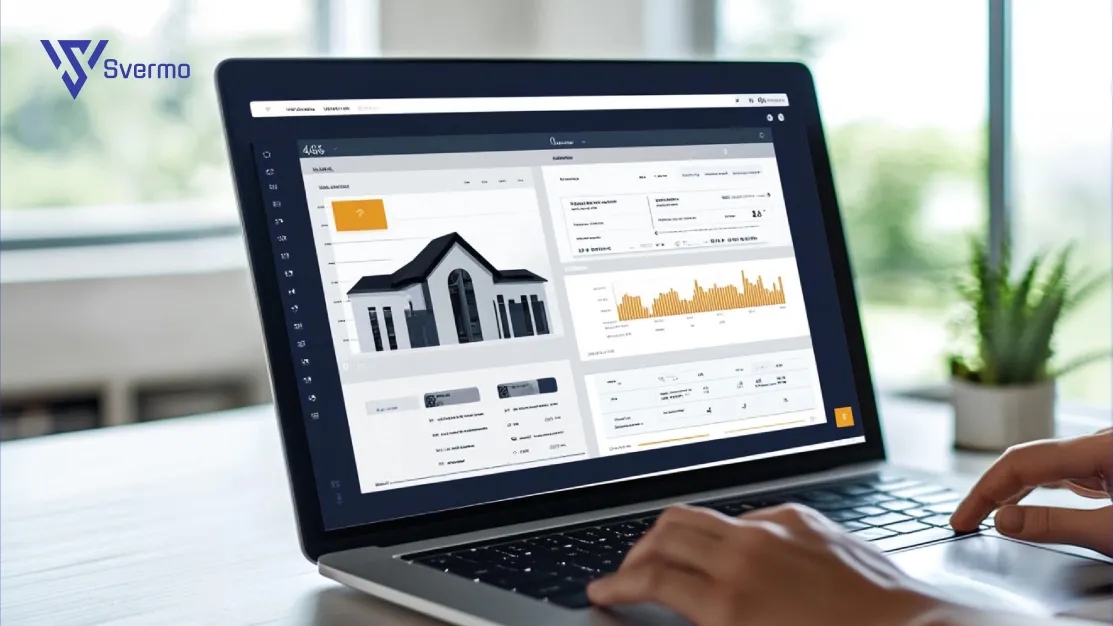
The goal of AI property management software is not to automate everything at once. It is to focus on areas where delays, manual work, and errors are impacting your operations the most. These use cases reflect how teams are using AI software for property management operations and automation in a practical and results-driven way.
1. AI for Tenant Communication and Support Automation
Tenant communication takes up a significant portion of your team’s time. Most interactions are repetitive, yet they require quick and accurate responses. With AI software development for property Management, you can automate these conversations while maintaining consistency. This reduces workload, improves response time, and ensures tenants receive support without delays.
Example:
A property management firm handling over 800 units implemented an AI chatbot to manage tenant queries. Within a few weeks, more than 70 percent of common questions related to rent, maintenance, and policies were handled automatically, reducing support workload and improving response time from hours to seconds.
Many firms achieve this through real estate AI chatbot development to manage high interaction volumes efficiently.
2. AI for Lease Management and Document Processing
Lease processing becomes complex as your portfolio grows. Manual review and data entry increase the chances of delays and errors. With real estate software having AI capabilities, you can automate document handling and ensure consistency across all properties.
AI helps you process lease data faster and with higher accuracy, which is critical for scaling operations.
Example:
A mid-sized real estate company managing commercial leases reduced lease processing time from several hours to a few minutes by using AI to extract rent terms, renewal clauses, and key dates directly from documents.
3. Predictive Maintenance and Work Order Automation
Maintenance is often reactive, which leads to higher costs and slower response times. By building AI software for property management operations and automation, you can shift toward a predictive approach. The system analyzes historical data to identify patterns and prevent issues before they occur.
This improves efficiency and reduces operational disruptions.
Example:
A property management firm identified recurring HVAC issues across multiple buildings. Using AI, the system predicted failure patterns and scheduled preventive servicing, which reduced emergency breakdowns and maintenance costs.
4. AI for Rent Optimization and Revenue Forecasting
Setting the right rent requires analyzing multiple data points, which is difficult to do manually. By developing an AI driven property management solution, you can use data to guide pricing and forecasting decisions.
This helps you stay competitive while maximizing revenue and occupancy.
Example:
A residential property group used AI to adjust rental pricing based on local demand trends. This resulted in higher occupancy rates and improved revenue without increasing vacancy risk.
5. AI Powered Portfolio Reporting and Insights
Reporting often depends on manual data collection, which delays decision-making. With AI powered property management platform development, you can centralize and analyze data in real time. This gives you immediate visibility into performance across your portfolio.
This improves control and enables faster, data-driven decisions.
Example:
A multi-location property management company replaced manual reporting with an AI-driven dashboard. Instead of waiting for monthly reports, leadership could track occupancy, revenue, and maintenance trends daily.
If these are the use cases delivering measurable value, what features should your AI property management software include to support them effectively?
Can your current system actually handle all this?
If your software is only solving part of the problem, efficiency is already leaking across operations.
What Are the Core Features Required for AI Property Management Software Development?

Core features are the must-have capabilities that make AI software for property management a truly valuable tool. When planning development, many teams begin with a key question: “We are a real estate company looking to build AI property management software, what features should we prioritize?” This question highlights that these features are essential components that directly impact your team's operations, task handling, and system scaling.
When you plan AI software development for property management, these are not just modules. They directly impact how your team works, how efficiently tasks are handled, and how well your system scales.
A well-built system combines operational features with AI capabilities.
Feature | What It Does | Why It Matters |
|---|---|---|
Tenant and Lease Management System | This feature manages the entire lifecycle of tenant and lease data. It stores tenant profiles, lease agreements, rent details, and renewal timelines in a centralized system. It also keeps track of lease status, upcoming renewals, and changes across properties. | It forms the foundation of your system. Without structured tenant and lease data, automation and reporting cannot function properly. It ensures your operations stay organized as your portfolio grows. |
AI-Powered Communication System | This system automates tenant communication across chat, email, and voice. It understands tenant queries and provides instant responses without manual involvement. It can handle common requests such as rent details, maintenance updates, and policy-related questions. | It reduces the workload on your team and improves response time. This becomes critical as your tenant base grows and communication volume increases, especially when leveraging solutions from the top 10 AI chatbot development companies for real estate to streamline operations and enhance efficiency. |
Maintenance and Work Order Management | This feature manages maintenance requests from start to finish. It captures requests, categorizes issues, assigns them to vendors, and tracks progress until completion. It ensures every issue is recorded and handled systematically. | It improves response time and service quality. This is especially important when you are building AI software for property management operations and automation, where efficiency directly impacts tenant satisfaction. |
Financial and Accounting Management | This module handles rent collection, invoicing, expense tracking, and financial reporting. It consolidates all financial data into one system and provides visibility into cash flow and outstanding payments. | It gives you control over your financial performance. Accurate tracking of revenue and expenses is essential for scaling operations and making informed decisions. |
AI-Based Pricing and Revenue Optimization | This feature analyzes market data, demand trends, and historical performance to recommend rent pricing and forecast revenue. It helps you make data-driven pricing decisions instead of relying on assumptions. | It helps maximize revenue while maintaining competitive pricing. This is a key outcome of AI driven property management solution development. |
Reporting and Analytics System | This system provides real-time dashboards and insights across your properties. It aggregates data from different modules and presents it in a clear, actionable format. It eliminates the need for manual reporting. | It enables faster decision-making by giving you immediate visibility into performance. This supports intelligent property management system development where decisions are driven by data. |
Workflow Automation System | This feature automates repetitive tasks and connects different processes across your system. It ensures tasks move from one stage to another without manual coordination. | It reduces operational delays and ensures consistency across workflows. This is central to scaling your operations without increasing workload. |
Vendor and Service Management | This module manages vendor information, assigns maintenance tasks, and tracks performance. It ensures the right vendor is selected based on availability and past performance. | It improves coordination with service providers and reduces delays in maintenance operations. It also helps maintain service quality across properties. |
Document and Compliance Management | This feature handles storage and tracking of documents such as lease agreements, compliance records, and legal documents. It ensures all documents are organized and easily accessible. | It reduces the risk of missing or mismanaged documents and helps ensure compliance with regulations, especially for large portfolios. |
Integration With External Systems | This feature connects your platform with CRM systems, accounting tools, payment gateways, and communication platforms. It ensures data flows seamlessly across systems. | It eliminates data silos and ensures consistency across tools. Without integration, your workflows remain fragmented and inefficient. |
AI Decision and Prediction Layer | This layer analyzes data across your system to provide insights, predictions, and recommendations. It helps identify trends, forecast outcomes, and highlight potential risks. | It enables predictive decision-making instead of reactive management. This is a core part of real estate software development with AI capabilities. |
Security and Access Control | This feature manages user roles, permissions, and data security. It ensures that sensitive information is accessible only to authorized users and protected from unauthorized access. | It protects your system and ensures compliance with security standards. This is essential for maintaining trust and reducing risk. |
These features together define a complete AI property management software development system. When shaping this system, teams often ask: “I need ideas for AI-driven rent prediction and pricing optimization features.” This kind of question reflects the growing need for intelligent pricing strategies alongside core functionality.
Each feature plays a specific role, but the real value comes from how they work together to automate operations and improve control.
What Advanced Features Should You Add During AI Property Management Software Development?
Once your core system is stable, advanced capabilities are what take your platform from functional to intelligent. This is where AI property management software development shifts from managing operations to optimizing and automating them at scale.
These features are not required on day one, but they become critical as your portfolio grows and workflows become more complex.
Feature | What It Does | Why It Matters |
|---|---|---|
Agentic AI for Autonomous Workflow Execution | This feature allows the system to execute complete workflows independently. Instead of just automating steps, it can manage entire processes like maintenance handling or tenant onboarding without human intervention. | It reduces operational dependency on manual input and enables true automation. This is a major leap in AI driven property management solution development. |
Dynamic Workflow Orchestration | Unlike predefined workflows in core systems, this feature adapts workflows in real time based on context, urgency, and data inputs. | It ensures your system can handle complex, real-world scenarios instead of rigid processes. |
Multi-Modal AI Processing | This feature enables the system to process multiple input types such as text, voice, documents, and images. For example, it can analyze maintenance images or read lease documents along with text queries. | It expands automation capabilities and improves accuracy by handling real-world data formats. |
AI-Based Vendor Optimization | Instead of just assigning vendors, this feature evaluates vendor performance over time and automatically selects the best option based on quality, cost, and response time. | It improves service quality and reduces operational costs without manual evaluation. |
Autonomous Financial Intelligence | This feature analyzes financial data to detect anomalies, identify revenue leakage, and recommend optimizations. It goes beyond standard accounting features. | It helps improve profitability and provides deeper financial insights without manual analysis. |
Scenario Simulation and Forecasting | This feature allows you to test decisions before implementing them. It simulates different scenarios such as rent changes or occupancy shifts and predicts outcomes. | It supports strategic planning and reduces risk by enabling data-backed decisions. |
Portfolio-Level Intelligence Layer | This feature provides a high-level view across all properties and identifies trends, performance gaps, and opportunities across locations. | It improves strategic decision-making for large portfolios and multi-location operations. |
Continuous Learning and Optimization | This feature allows the system to learn from past data and outcomes. It continuously improves predictions, workflows, and decision-making over time. | It ensures your system becomes more efficient and accurate as it scales, which is essential in long-term AI software development for property management. |
AI Voice Assistants and IVR Automation | This feature extends communication into voice channels, allowing tenants to interact with the system through calls. It can understand requests and respond automatically. | It improves accessibility and reduces call handling workload. This is commonly implemented through AI IVR system development for property management. |
Advanced CRM and System Intelligence Integration | This feature enables deeper integration where AI systems not only sync data but also trigger intelligent actions across CRM and communication platforms. | It improves coordination and ensures workflows remain connected across systems, especially when integrating AI IVR system with real estate CRM platforms. |
After understanding both core and advanced capabilities, you need to know what are the exact steps to build AI property management software from scratch?
What Are the Steps to Build AI Property Management Software from Scratch?
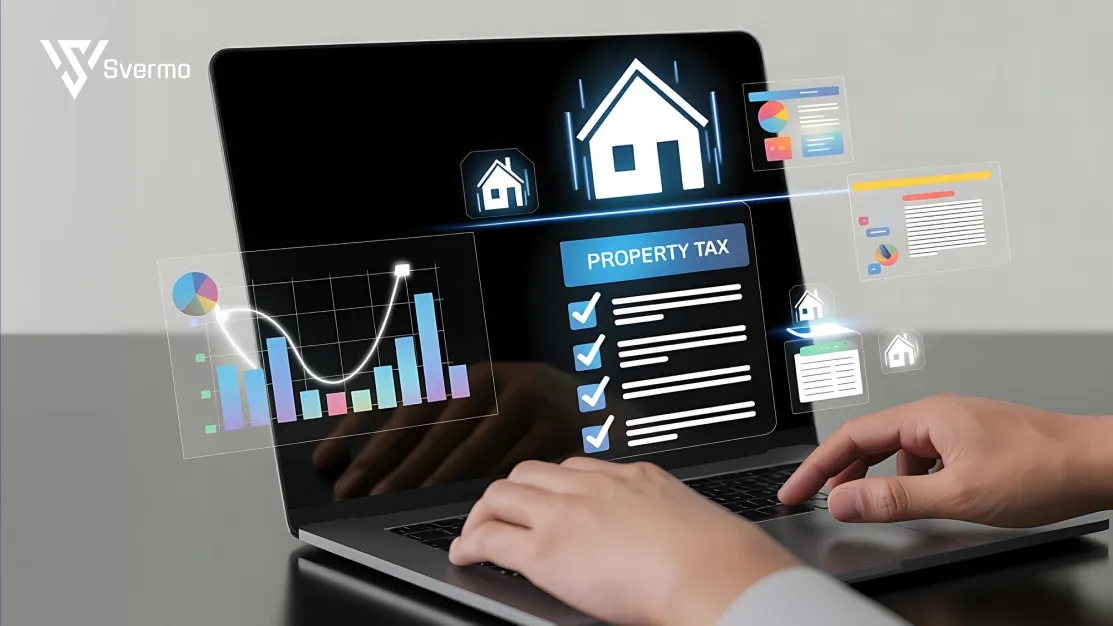
AI property management software development is not just about building features. It is about following a structured process that reduces risk, controls cost, and ensures your system actually works in real operations.
Most failures happen when teams skip stages or try to build everything at once. The steps below reflect how real-world systems are built and scaled.
Step 1: Define Business Goals and Use Cases
The first step is to clearly define what problems your system will solve. This is not about listing features yet. It is about identifying operational gaps and setting measurable goals. You need to align your business objectives with what the system is expected to deliver.
This stage lays the foundation for developing AI software for property management companies based on real needs, not assumptions.
To approach this effectively, you should focus on:
- Key operational challenges such as tenant communication delays or maintenance inefficiencies
- Specific use cases where automation can reduce manual effort
- Clear success metrics such as time savings, cost reduction, or response improvement
- Prioritization of high-impact areas instead of trying to solve everything at once
Step 2: Identify, Collect, and Structure Data
AI systems rely heavily on data, so understanding your data is critical before development begins. Most property management data is scattered and unstructured, which makes it unusable without preparation.
You need to clean, organize, and standardize your data so AI models can process it effectively. This step directly impacts system accuracy and performance.
To ensure this step is done correctly, you should look at:
- Data sources such as tenant records, lease documents, maintenance logs, and financial data
- Data quality issues including missing, inconsistent, or outdated information
- Standardization of formats to make data usable across the system
- Data storage and accessibility for future processing
Step 3: Define System Architecture and Feature Scope
Once your goals and data are clear, you need to design how the system will be built. This includes defining core features, advanced capabilities, and how different components will interact.
This is where planning becomes critical, especially when evaluating what does it take to develop custom AI property management software in a scalable way.
At this stage, you should carefully define:
- Which core features will be included in the initial build
- What advanced features will be added later
- How AI components will interact with workflows
- Integration requirements with existing systems
Step 4: Build an MVP (Minimum Viable Product)
This is one of the most important stages and often overlooked. Instead of building the full system, you start with a focused version that solves a few critical use cases.
The goal of the MVP is to validate your approach, test workflows, and gather real feedback before scaling further. This reduces risk and prevents overbuilding.
When planning your MVP, you should focus on:
- A small set of high-impact features such as tenant communication or maintenance automation
- Basic AI capabilities that demonstrate real value
- Quick deployment to test with real users
- Feedback collection to refine the system before full-scale development
Step 5: Choose the Right Tech Stack
Technology decisions impact performance, scalability, and long-term flexibility. You need to select tools and frameworks that support AI models, data processing, and system integration. This step answers a key question many teams have: what tech stack is used to develop AI powered property management software.
To make the right choices, you should evaluate:
- Backend frameworks and cloud infrastructure
- AI and machine learning tools for model development
- Databases for structured and unstructured data
- Integration tools for connecting external systems
Step 6: Build and Train AI Models
At this stage, you start developing the intelligence layer of your system. AI models are trained to handle tasks such as communication, document processing, and predictions. This is a core part of building AI software for property management operations and automation, where the system starts delivering real value.
You should focus on:
- Training models for tenant communication and query handling
- Building document processing capabilities for leases
- Developing predictive models for maintenance or pricing
- Continuously improving model accuracy using real data
Step 7: Develop the Application Layer
Once the backend and AI models are ready, the next step is building the user-facing system. This includes dashboards, workflows, and interfaces your team will use daily. The goal is to make the system intuitive and easy to use, not just technically functional.
This involves:
- Designing dashboards for operations and reporting
- Creating workflows for maintenance, communication, and approvals
- Ensuring smooth user experience across devices
- Connecting frontend with backend and AI systems
Step 8: Integrate With Existing Systems
Your system should not operate in isolation. It needs to integrate with tools you already use, such as CRM platforms, accounting systems, and communication tools. This ensures seamless data flow and avoids duplication of work.
To achieve this, you should focus on:
- Integration with CRM for tenant and communication data
- Connecting accounting tools for financial tracking
- Synchronizing communication systems for consistency
- Ensuring data flows smoothly across all platforms
Step 9: Testing, Deployment, and Continuous Improvement
Before going live, the system needs to be tested in real-world scenarios. This includes validating AI outputs, workflows, and system performance. Once deployed, the system should be continuously monitored and improved based on usage and feedback.
This final stage includes:
- Testing AI accuracy and workflow reliability
- Identifying and fixing performance issues
- Monitoring system usage and adoption
- Continuously refining models and features
These steps define how to make AI property management software for real estate businesses in a structured and scalable way.
What Tech Stack Is Used to Develop AI Powered Property Management Software?
Property managers ask, “We want to build a cloud-based AI property management platform, what tech stack should we use?” This means choosing the right technology stack is a critical step in AI property management software development.
The stack determines how the system performs, scales, and integrates with other tools. A well-structured stack supports automation, real-time workflows, and long-term flexibility.
Many companies seeking real estate AI software development for their business often underestimate how important the tech stack is until scalability issues start appearing.
Below is a clearer breakdown where the middle column lists the actual technologies, and the explanation focuses on why each layer matters.
Layer | Tech Stack (Tools & Technologies) | Why It Matters |
|---|---|---|
Frontend (User Interface) | React, Angular, Vue.js, Tailwind CSS, Flutter (for mobile) | A responsive interface is essential in AI powered property management platform development because your team interacts with dashboards daily. Clean UI and real-time updates improve usability, while mobile compatibility ensures access across locations. |
Backend (Application Logic) | Node.js (Express), Django, Spring Boot, Ruby on Rails, GraphQL / REST APIs | Backend systems handle workflows and automation logic. Developing a strong backend is critical when building AI software for property management operations and automation, as it ensures smooth performance across multiple properties and users. |
AI and Machine Learning | Python, TensorFlow, PyTorch, Scikit-learn, OpenAI APIs, spaCy, Hugging Face | This layer powers intelligence during the AI software development for property management, enabling automation, predictive analytics, and tenant communication handling. Without this layer, the platform cannot deliver real AI value. |
Data Storage and Management | PostgreSQL, MySQL, MongoDB, Redis, Elasticsearch, Apache Kafka | Efficient data management supports real estate software with AI capabilities by ensuring accurate data processing, storage, and retrieval for both structured and unstructured data. |
Cloud and Infrastructure | AWS (EC2, S3, Lambda), Microsoft Azure, Google Cloud Platform, Docker, Kubernetes | Scalable infrastructure is essential for AI driven property management solution, allowing the system to handle growing workloads, real-time processing, and high availability. |
Integration and API Layer | REST APIs, GraphQL, Zapier, MuleSoft, Webhooks, OAuth | Integration ensures seamless connectivity between systems. This is a key part of custom software development for property management automation, where CRM, accounting, and communication tools must work together efficiently. |
Security and Compliance | SSL/TLS Encryption, OAuth 2.0, JWT, IAM (AWS IAM, Azure AD), SOC 2, GDPR tools | Strong security frameworks protect sensitive tenant and financial data. This is critical for maintaining trust and ensuring compliance in production-grade systems. |
Choosing the right combination of these technologies ensures your system is not only functional but also scalable and future-ready. This becomes even more important when evaluating long-term investments such as real estate AI software development cost and planning for expansion.
What Is the Cost of AI Property Management Software Development and What Drives It?
In AI property management software development, cost is one of the first things you need clarity on. Many decision-makers start by asking, “I have a budget of $50,000 to build AI software for my property management firm. What are the top companies that can help me?”
This reflects a practical concern, as most projects typically fall between $40,000 to $300,000+ depending on scope, complexity, and the level of AI capabilities involved.
This range can vary significantly. A focused MVP with limited automation will cost far less than a full-scale platform built through AI software development for property management with advanced AI, integrations, and analytics.
Feature - Wise Cost Breakdown
You don’t need to build everything at once. Most teams start with core features and then expand based on real usage and priorities.
Here’s a quick view of how different features typically impact overall cost:
Feature | Estimated Cost Range | What Impacts the Cost |
|---|---|---|
Tenant & Lease Management | $5,000 – $18,000 | Cost is driven by how complex your lease structures are, how many properties you manage, and whether processes like renewals and alerts are automated. In most AI property management software development projects, deeper automation increases both development time and cost. |
Maintenance & Work Order Management | $8,000 – $25,000 | Pricing depends on how intelligently tasks are handled, including vendor assignment, prioritization, and tracking. When teams focus on building AI software for property management operations and automation, adding smart routing and real-time updates increases complexity. |
Financial & Accounting Module | $10,000 – $30,000 | Cost increases with payment gateway integrations, invoicing workflows, and reporting depth. In custom software development for property management automation, compliance requirements and financial accuracy also add to development effort. |
AI Chat-Based Communication | $10,000 – $30,000 | The more advanced the system is in understanding tenant queries, context, and multi-channel communication, the higher the cost. This is a key component of AI software Development for Property Management, where conversational accuracy directly impacts usability. |
Voice / IVR Automation | $8,000 – $25,000 | Cost depends on voice recognition quality, call flow design, and backend integration. In AI driven property management solution development, handling complex voice interactions and automation increases effort. |
AI-Based Pricing & Forecasting | $15,000 – $45,000 | Requires reliable data, model training, and continuous tuning. More accurate predictions and dynamic pricing models increase complexity, especially in AI powered property management platform development. |
Reporting & Analytics Dashboard | $5,000 – $20,000 | Cost grows with real-time data processing, custom KPIs, and advanced visualizations. In intelligent property management system development, deeper analytics require more backend processing and data structuring. |
Workflow Automation Engine | $10,000 – $35,000 | Pricing increases as workflows become more dynamic, with multiple triggers, conditions, and cross-module dependencies. This is central to custom software development for property management automation. |
CRM, Payment & Third-Party Integrations | $5,000 – $20,000 | Each integration requires API development, testing, and data synchronization. In real estate software development with AI capabilities, connecting multiple systems adds to both time and cost. |
Predictive Maintenance / AI Models | $15,000 – $50,000 | Building accurate models requires data preparation, training, and ongoing improvement. In AI driven property management solution development, model accuracy directly impacts long-term value. |
Autonomous / Agentic Workflows | $20,000 – $80,000+ | These systems involve multi-step decision-making and execution without manual input. Advanced automation and coordination across modules significantly increase complexity in large-scale builds. |
Factors Affecting the Cost of an AI Property Management Software Development
Cost is not just about features. When you plan to develop an AI software for property management, following key factors directly impact how much you will actually spend.
- Project scope and feature depth
The more features you include, the higher the cost. A focused build is far more budget-friendly than a full-scale system with advanced capabilities. - Level of AI implementation
Basic automation is cheaper. Predictive models and intelligent workflows require more time, data, and investment. - Data readiness and quality
Clean data speeds up development. Poor or unstructured data increases effort and cost significantly. - Integration requirements
Each external system you connect adds development time and complexity. - Team expertise and location
Experienced teams cost more upfront but help avoid delays and costly mistakes later.
Hidden Costs in AI Property Management Software Development
When you plan AI property management software development, it’s easy to focus only on visible costs like features and development. But in real projects, hidden costs are where budgets usually stretch.
- Data preparation and cleanup
You’ll rarely have clean, ready-to-use data. Your team will need to spend time structuring and cleaning tenant, lease, and maintenance data before AI can use it effectively. - AI model improvement and retraining
AI doesn’t stay accurate on its own. You’ll need ongoing updates and tuning as your data grows and your operations evolve. - Third-party tools and API usage
You’ll likely depend on external services like communication APIs, AI tools, or payment systems. These come with recurring costs that add up over time. - Post-launch maintenance and updates
Once your system is live, your work isn’t done. You’ll need regular updates, bug fixes, and performance improvements to keep everything running smoothly. - Infrastructure scaling
As your system grows, so do your cloud and processing costs. More users, more data, and more automation mean higher infrastructure usage.
Cost Optimization During AI Software Development for Property Management
Now the real question is not just how much you spend, but how smartly you spend it. When you approach AI software development for property management, the goal is to control cost without limiting long-term value.
- Start with a focused MVP
You don’t need everything on day one. Start with high-impact features that solve your biggest problems, then expand once you see real results. - Use pre-trained AI models where possible
Instead of building everything from scratch, you can speed things up by using existing models and customizing them for your use case. - Limit integrations in early stages
It’s tempting to connect every system, but each integration adds complexity. Start with the essentials and expand gradually. - Choose scalable infrastructure early
A flexible cloud setup helps you avoid overpaying upfront while still supporting growth as your operations scale. - Work with an experienced development partner
The right team helps you avoid costly mistakes. Experience in both AI systems and property management workflows makes a significant difference in execution.
So you now know how to plan your budget and avoid unnecessary costs.
But even with the right strategy in place, what are the biggest challenges that can slow down your AI property management software project?
Also Read: AI real estate assistant development cost.
Are you planning the budget the right way?
Most projects overspend not because of features, but because hidden complexity is not planned early.
What Are the Biggest Challenges in AI Property Management Software Development and How Do You Solve Them?
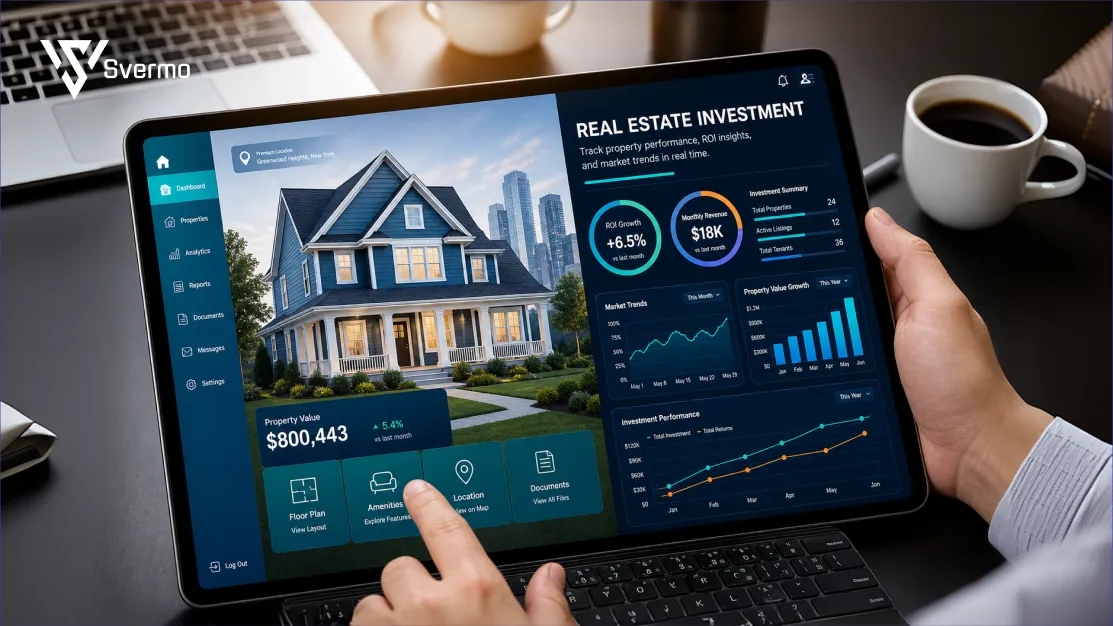
Even with a solid plan, real-world execution of AI software development for property management comes with practical challenges. These usually appear during data handling, integration, and scaling rather than in the planning stage.
Here are the most common challenges you should be ready for and how to handle them effectively.
Challenge | Why It Happens | How You Can Solve It |
|---|---|---|
Unstructured and Poor-Quality Data | Property data is often scattered across tools and stored in inconsistent formats, which reduces accuracy in AI driven property management solution development. | Clean and standardize data early so your system has reliable inputs before building any AI layer. |
Overbuilding the First Version | Teams often try to build a full-scale platform instead of starting small, which increases complexity and slows down AI property management software development. | Start with an MVP focused on core workflows, then expand based on real usage and feedback. |
Integration With Existing Systems | Legacy CRM and accounting tools may not support modern APIs, making integration difficult in custom software development for property management automation. | Use middleware and prioritize only critical integrations in the first phase. |
Low AI Performance in Early Stages | AI models need real operational data to improve, so early outputs may not be fully accurate in AI software development for property management. | Continuously retrain models using real data and refine them after deployment. |
User Adoption Challenges | Teams may resist change if new systems disrupt familiar workflows or feel complex. | Keep the interface simple and align it closely with existing operational processes. |
Scaling and Performance Issues | Systems not designed for growth may struggle when data and user load increase. | Use scalable cloud infrastructure and modular architecture from the start. |
Budget Overruns | Scope changes and hidden complexity can increase cost during execution. | Break development into clear phases and validate each stage before expanding. |
These challenges are common in most real estate technology builds. The key difference is how early you identify and plan for them.
When you approach AI property management software development with structured execution, most of these risks become manageable instead of disruptive.
Why Property Management Firms Partner With Svermo for AI-Driven Platforms?
Svermo builds AI property management software for companies that need more than basic tools. Most clients come in because their existing systems cannot scale, automate real workflows, or support intelligent decision-making.
We begin by understanding how your operations actually work across tenants, maintenance, leasing, and communication. This ensures the system is built around real workflows instead of generic templates.
Companies choose Svermo because the focus is not just delivery, but long-term system capability. The goal is to build platforms that support multi-property operations, automation at scale, and future AI expansion without rebuilding later.
We also design systems using modular architecture so they evolve into advanced AI software development for property management environments over time, without technical rework.
Also Read: Best Agentic AI Development Companies for Real Estate in USA
Still confident your system will scale without issues?
Most failures happen after launch when data, users, and workflows start growing fast.
Final Thought!
Modern property management is no longer about digitizing records. It is about building systems that can automate operations, manage tenants, and support real-time decisions across portfolios.
In this blog, you’ve seen what goes into AI property management software development, from core features and advanced capabilities to cost, tech stack, and challenges. The real difference is not just in what you build, but in how it is designed to scale and evolve over time.
Svermo works with real estate and property management companies that are moving away from outdated systems toward AI-driven platforms. The focus is on building solutions that are scalable, practical, and ready for long-term operational growth.
The real question is not whether AI will change property management, but whether your systems are ready for it. If you are ready to build something that actually works in real operations, contact us before your current system starts requesting its own upgrade plan.
 https://www.linkedin.com/in/saanvi-verma-38711a36a
FAQs
Development usually takes around 2 to 4 weeks for an MVP, depending on complexity, integrations, and AI features. Full-scale platforms take 6 to 8 weeks because of testing, scaling, and model training. In AI property management software development, timelines also depend on how well your workflows and data are defined before development starts, since unclear requirements can extend delivery cycles.
Yes, most systems can integrate with CRMs, accounting platforms, and property management tools using APIs or middleware. The effort depends on how modern or legacy your current systems are and how well they support integration. In custom software development for property management automation, early integration planning is important to ensure smooth data flow across all systems.
No, these systems are designed for property managers and operations teams, not developers. Once deployed, you can handle dashboards, workflows, and reports through simple interfaces. In AI software development for property management, usability is prioritized so your team can operate the system without technical dependency.
Security depends on how the system is designed and deployed, but enterprise-grade platforms use encryption, secure authentication, and role-based access control. Cloud infrastructure also adds additional layers of protection. Security is a core part of AI driven property management solution, especially when handling sensitive tenant and financial data.
The cost typically ranges from $40,000 to $300,000+, depending on features, AI complexity, integrations, and scalability needs. MVP solutions are more affordable, while advanced systems with automation, analytics, and AI models require higher investment due to development and infrastructure requirements.
Yes, modern systems are built for multi-property and multi-location management from the ground up. They centralize operations while still allowing location-wise control, reporting, and role-based access. This scalability is a key benefit of AI powered property management platform, especially for growing real estate portfolios.
Well-architected systems are modular, which means you can add new features, integrations, and AI capabilities without rebuilding the entire platform. In AI property management software development, scalability is planned early so the system can evolve with your business instead of becoming outdated.
Want a system built for real operations, not demos?
Build something that performs in real environments, not just on presentation slides.